

In the spirit of giving back to the community and environment
[Post Date]
In the spirit of giving back to the community and environment
While we are in the spirit of giving towards our loved ones this holiday season, let’s take a moment to reflect on how we can give back to our communities and the environment as well.
Other than setting aside time and money to volunteer and donate to great causes, there are also plenty of daily activities that provide us with opportunities to make a difference. These little actions that we take each day can collectively create a positive impact towards societal and even environmental change.
For instance, we can make more eco-conscious choices when it comes to the brands that we shop from. Over the years, there have been many small, sustainability-focused businesses emerging and we can do our part as consumers to support them. If you are wondering where to start, here are three local businesses that have been setting great examples when it comes to contributing to the local communities as well as the environment.

1. Upcycle & Recycle Fashion To Restore Our Environment
The prevalence of fast fashion has made it a key contributor to overspilling landfills. At least every 1,000 Singaporeans purchase an average of 34 pieces of new clothing and discard half of their previously owned clothing each year.
However, there are ways for us to manage our wardrobes to improve the environment and social impact by recycling and upcycling our fashion items instead. Not only are these practices cost-friendly, they also curb the pollution and carbon emissions caused by overproduction of apparels.
If you’re interested in finding new uses for your old pieces, simply look to Greensquare Textile Recycling.
Greensquare Textile Recycling
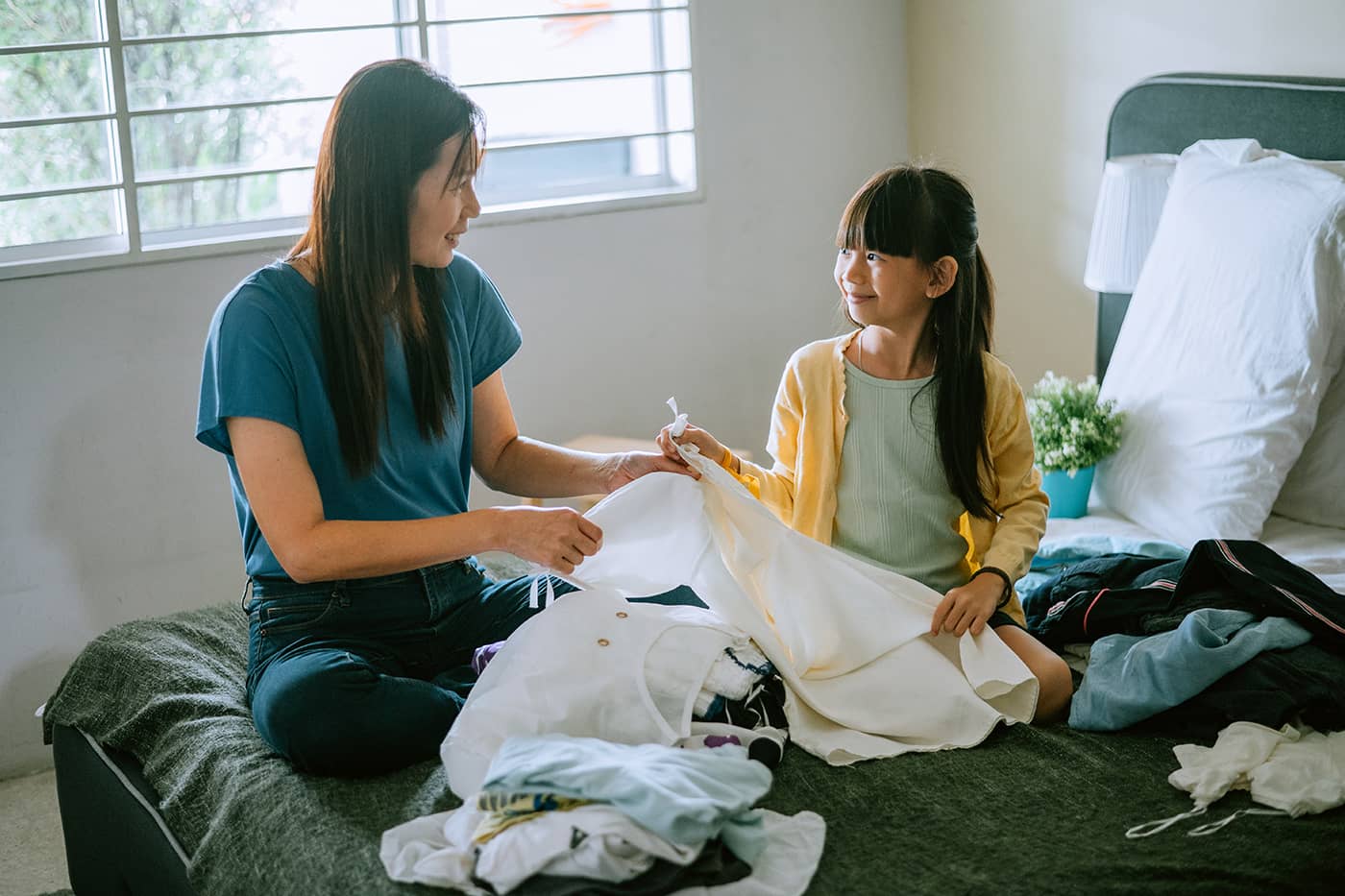
Primarily a textile collection channel, the local business currently operates 15 donation bins nationwide, taking in any form of textile, including clothes, bedsheets and shoes to be recycled.
Items that can be reused are first identified and segregated, followed by recyclable fabrics that are redistributed to textile importers in developing countries so that the less fortunate are able to purchase clothes at a more affordable price.
Currently, the folks Greensquare aims to double the percentage of recycled textile and leather waste from 7% to 14% by 2030. They are focusing on closing this gap by promoting awareness of the 3Rs (Reduce, Reuse, Recycle) through education, with a focus on engaging youths in schools. Their recycling efforts are also complemented by upcycling workshops, where in-house experts will guide you on how to transform an old T-shirt into a stylish tote carrying your daily necessities.
By donating at the nearest collection point, or registering for an upcoming workshop, you, too, can contribute towards their cause of protecting the environment.
2. Trying Out A Plant-Based Lifestyle
According to a study published by the UN’s Food & Agricultural Organization, beef and dairy production account for almost 60% of greenhouse gas emissions that contribute to global warming. By swapping meat for plant-based alternatives, even one meal at a time, we can play a part in restoring the balance between all the available resources for food. Not to mention, we could also potentially be curbing harmful livestock practices.
Though going plant-based is rarely an overnight transformation, we encourage starting small with plant-based snacks by local provider BoxGreen.

BoxGreen Co.
Founded by plant-based buddies Andrew and Walter, BoxGreen is a B-corp-certified snack maker, passionate about treats that are both nutritious and eco-friendly. Strong in their belief that healthy snacking can be just as tasty, the two set out on an experimental journey to discover various flavours, ingredients and textures to make snack time an indulgent yet guilt-free experience.
Their eco-conscious ethos extends to all facets of their business. For instance, individual snack packaging is made entirely from recyclable materials, and they’re working towards incorporating a plastic-free policy across their operations.
While BoxGreen’s delicious snacks encourage plant-based adoption for a healthier environment, it’s also worth mentioning their do-good initiatives that contribute to a better society. For instance, the brand works with Yellow Ribbon Project to offer training and upskilling opportunities to inmates by employing them to pack snack boxes in prison.
Through community empowerment, BoxGreen shows the power of extending kindness and empathy so that anyone, regardless of background, can be a force of good for society.
Read more about BoxGreen’s sustainability story, or head straight to their online store to order vegan treats.
3. Choose Eco-Brands Over Mainstream Products
While off-the-shelf goods have the benefit of being accessible to all, not many consumers are aware of the environmental costs that come with mass production.
Eco-friendly brands are generally more transparent with their processes, exercising more quality control to ensure sustainable methods result in low-waste products that customers can wholeheartedly enjoy.
Coffee, for example, is a common sight in many households. By choosing to buy brands like Bettr Coffee Company, our frequent purchases can help contribute to their mission of building a healthier environment.

Bettr Coffee Company
Since its founding in 2011, the team have taken their passion for coffee to create a community of eco-conscious partners, customers and beneficiaries with their range of specialty coffee products.
Their best-sellers include zero-waste coffee capsules and sustainably-sourced beans that cater to retail and wholesale buyers all over the region. Even with international fans, they still maintain carbon-neutral deliveries to support a cleaner environment all around.
Their on-ground operations are just as planet-friendly with the use of recyclable materials and biodegradable serveware in retail bars, workshops and corporate events.
A purchase with Bettr Coffee Company goes towards social initiatives that give back to less privileged communities, such as the vocational programmes and micro-enterprise opportunities that the brand runs for marginalised women and youth-at-risk.
You can find success stories from their Instagram, and give your support to this homegrown business the next time you need to restock your coffee supply.
Giving & Making A Difference
Much like these businesses, Geneco is also adopting our own way to enact the spirit of giving through this festive period. We know that every act of kindness can make a life-changing difference to the planet and its people, and contribute towards safeguarding a future that sees a happily ever after for many generations to come.
In the season of gifting, Geneco presents #HappilyEverAfter campaign and co-created an exclusive children’s e-book, ‘The Little Green Heroes’ with 3Pumpkins, a socially engaged non-profit that engages less privileged youths in art projects, as part of our fundraising initiative.
This lovely children’s story revolves around René, Ria, and Rhys, a group of three good friends with special powers, who always took good care of their Planet Erf. However, a giant Trash Monster appeared and wrecked havoc on Planet Erf. How would René, Ria, and Rhys rise to the challenge and protect what they love?
Through this collaboration, we invite you to spread the festive joy by donating to the #HappilyEverAfter Fundraising initiative that will help to contribute to their purpose and Power The Change for these children.
You can download the complimentary e-book here or listen to the read-aloud version by Kelly Latimer.
We are also giving away $50 worth of FairPrice e-vouchers and an exclusive Geneco Green Starter Kit to 10 lucky winners over on our Facebook and Instagram pages! All you have to do is to answer this: “Name one of the featured sustainable organisations mentioned in our latest article,” and follow the rest of the steps in the post to stand a chance in the giveaway. Contest runs from 30 November 2022 to 14 December 2022.
Together, let’s Power The Change for good and share our happiness with one another.

Youths in action — advocating sustainable living their way
27 October 2022
Youths in action — advocating sustainable living their way
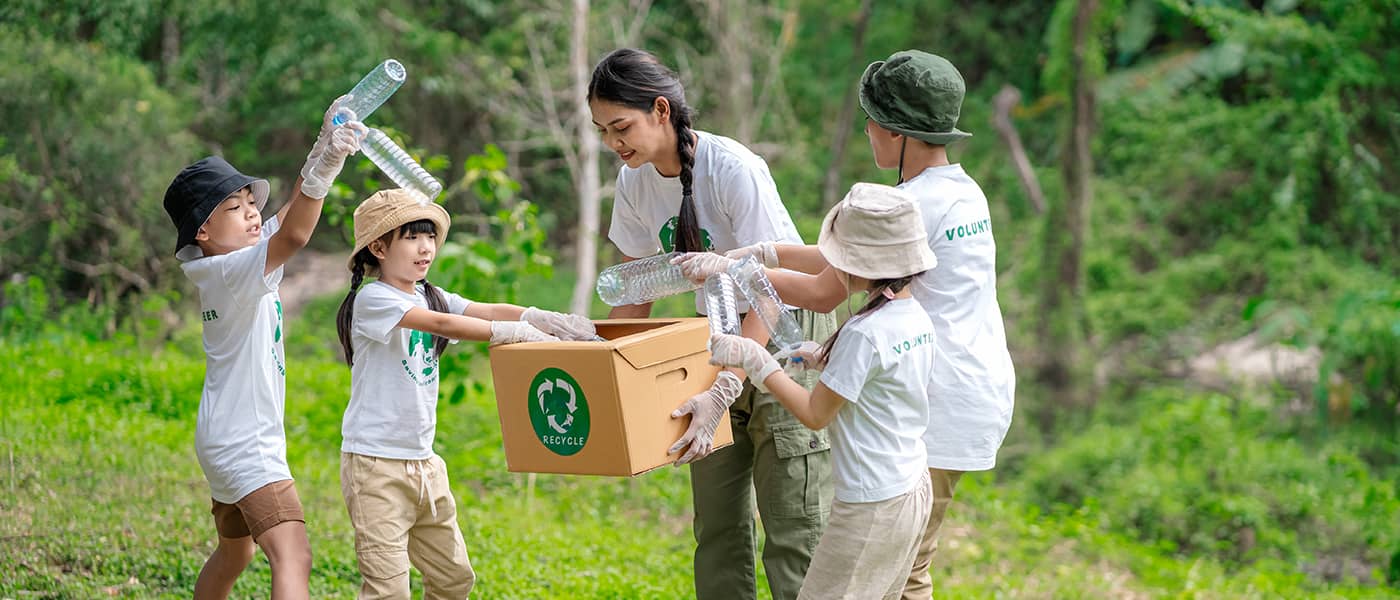
In recent years, we are heartened to see the rise of many youths taking charge to help build a greener future for themselves with meaningful eco-initiatives and purposeful green businesses. Whether it is an individual or creating communities, they are set to empower everyone to take part in their mission for a more sustainable nation. Let’s take a look at the noble efforts of these young advocates as they passionately devote themselves to bringing all of us closer to their common green vision.
1. Taking small steps towards sustainable living
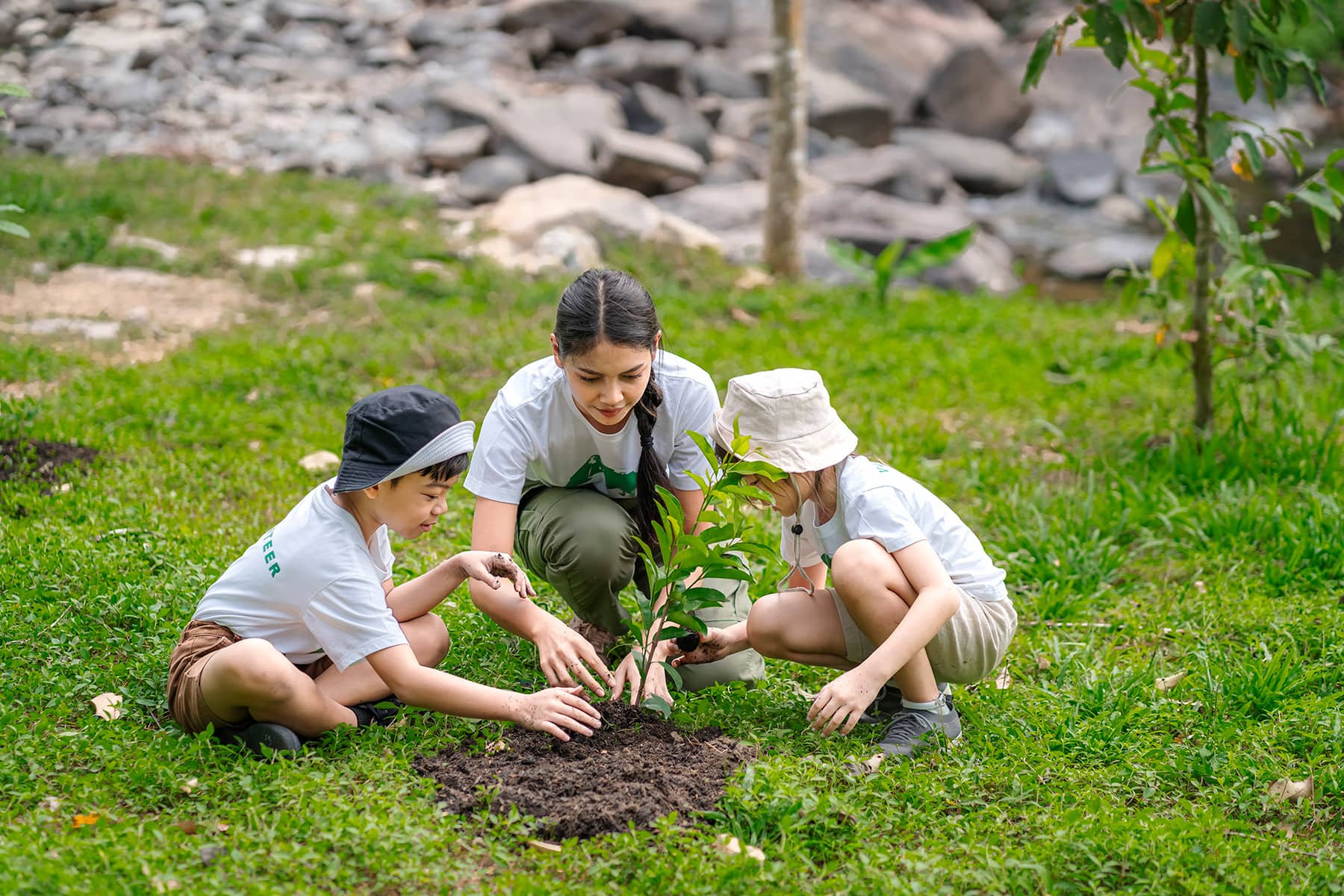
Embracing a sustainable lifestyle is something that needs time to develop and sometimes research needs to be done, which can also be time-consuming for those who just started to embark on their eco-journey. If you’re on the lookout for ways to introduce small steps to build a better planet, The Sustainability Project opens its doors to you with its one-stop platform!
The Sustainability Project
Jo, also known as Joline Tang, is the founder of The Sustainability Project (TSP). She has been an environmental advocate since her polytechnic days. From lecture notes to metal cans, she would find various opportunities to recycle them. During her university days, she had the opportunity to travel to Norway for a university exchange program. This trip gave her the courage to start TSP and since then, she has only one goal in mind for TSP – ‘Sustainable Living Made Easy’.
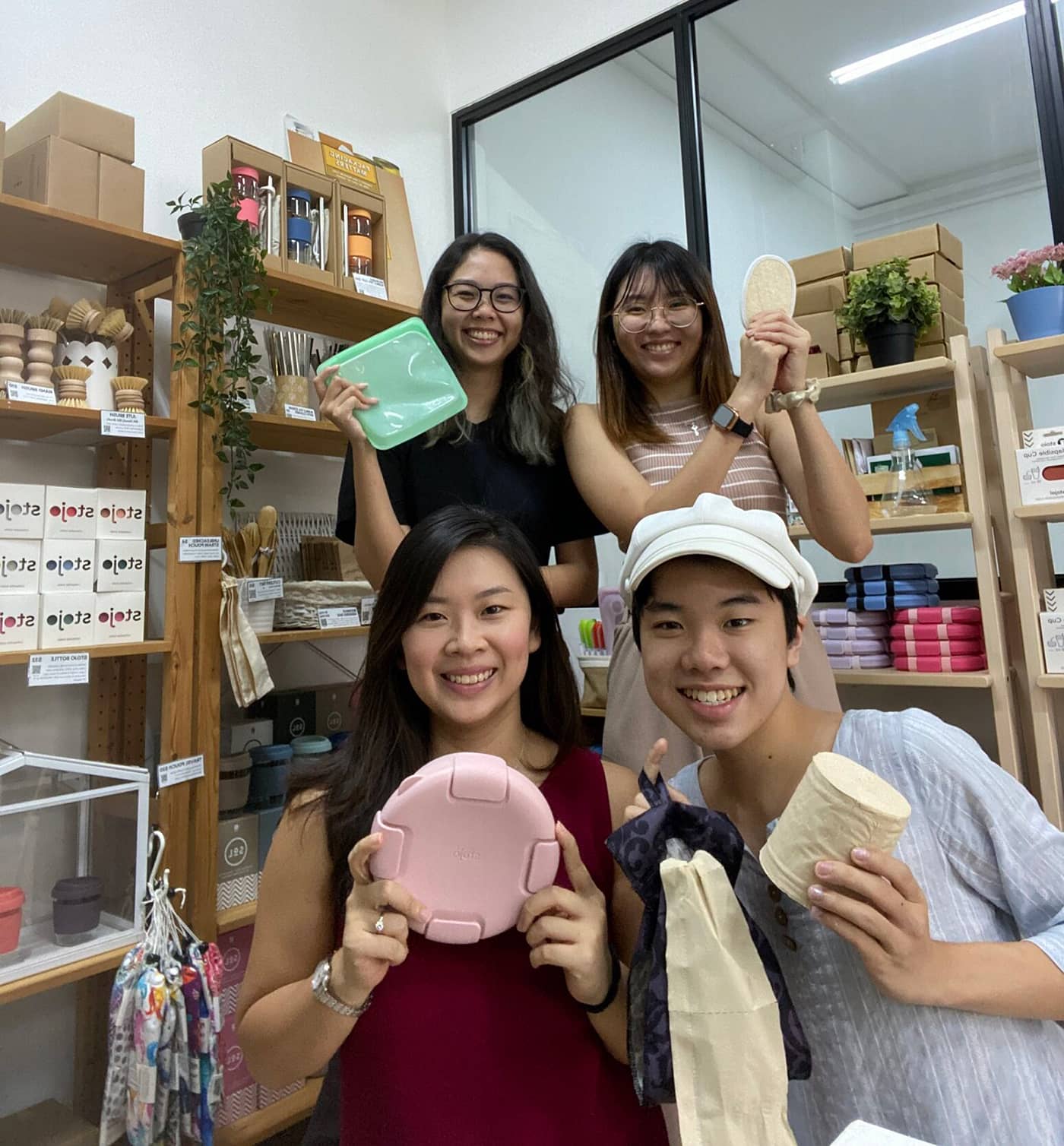
At TSP, Jo breaks down hard and difficult topics into smaller actionable workshops, talks, activities and donation drives for the public to take part in. One such activity is Zero Waste Packaging Initiative, where they collect used packaging and repurpose them into other packaging.
Apart from selling sustainable items on their online shop, TSP also offers sustainable business consultation services to other small business owners.
If you are looking for a place to kickstart this exciting initiative, you can join the TSP volunteer program! Various volunteer positions, such as writer, workshops, social media, and others are available. Or do visit TSP on Instagram to find out more!
Source: The Sustainability Project
2. Educating the public through fun, bite-sized graphics
Illustrated stories or comics could be a great way to get youths interested in environmental awareness. Youths have always been enamoured by colourful, easy-to-understand stories and relatable mascots. That’s how climate activist Woo Qi Yun chartered her course of environmental studies through a unique style of doodling on social media.
The Weird and Wild & Climate Cheesecake
To capture the hearts of today’s youths, Qi Yun started The Weird and Wild, a creative platform that focuses on communicating environmental awareness through technology and design. Her creations made sustainability simple, accessible, fun and digestible.
Through her self-taught talent – doodling, Qi Yun regularly updates her creations on her website and Instagram. She covers hard topics about irregular local hot weather conditions, climate action, wildlife preservation, rising sea water and climate reports. She has also created an adorable frog-like mascot to tell stories on various environmental messages in her own unique ways.
Together with a group of young environment enthusiasts, Qi Yun has also made a collective effort to kickstart a podcast programme named The Climate Cheesecake Podcast. It is a weekly Spotify series that “breaks down heavy climate topics — just like cheesecake!”. The half-hour-long episodes are entertaining, casual and insightful and together with the charismatic hosts; Rachel, Sankar and Movin, they provide refreshing perspectives on sustainability and environmental issues in each episode.
In one of their recent episodes, “Last Time My Kampung Have”, The Climate Cheesecake Podcast talks about the loss of forest biodiversity to our rising demand for resources and explores alternatives to ensure a more responsible consumer lifestyle.
If you are interested to hear more about this group of young advocates, follow The Climate Cheesecake Podcast on Spotify or Climate Cheesecake on Instagram. You can also get the latest updates of Qi Yun, The Weird and Wild on Instagram!

3. Connecting with nature through art
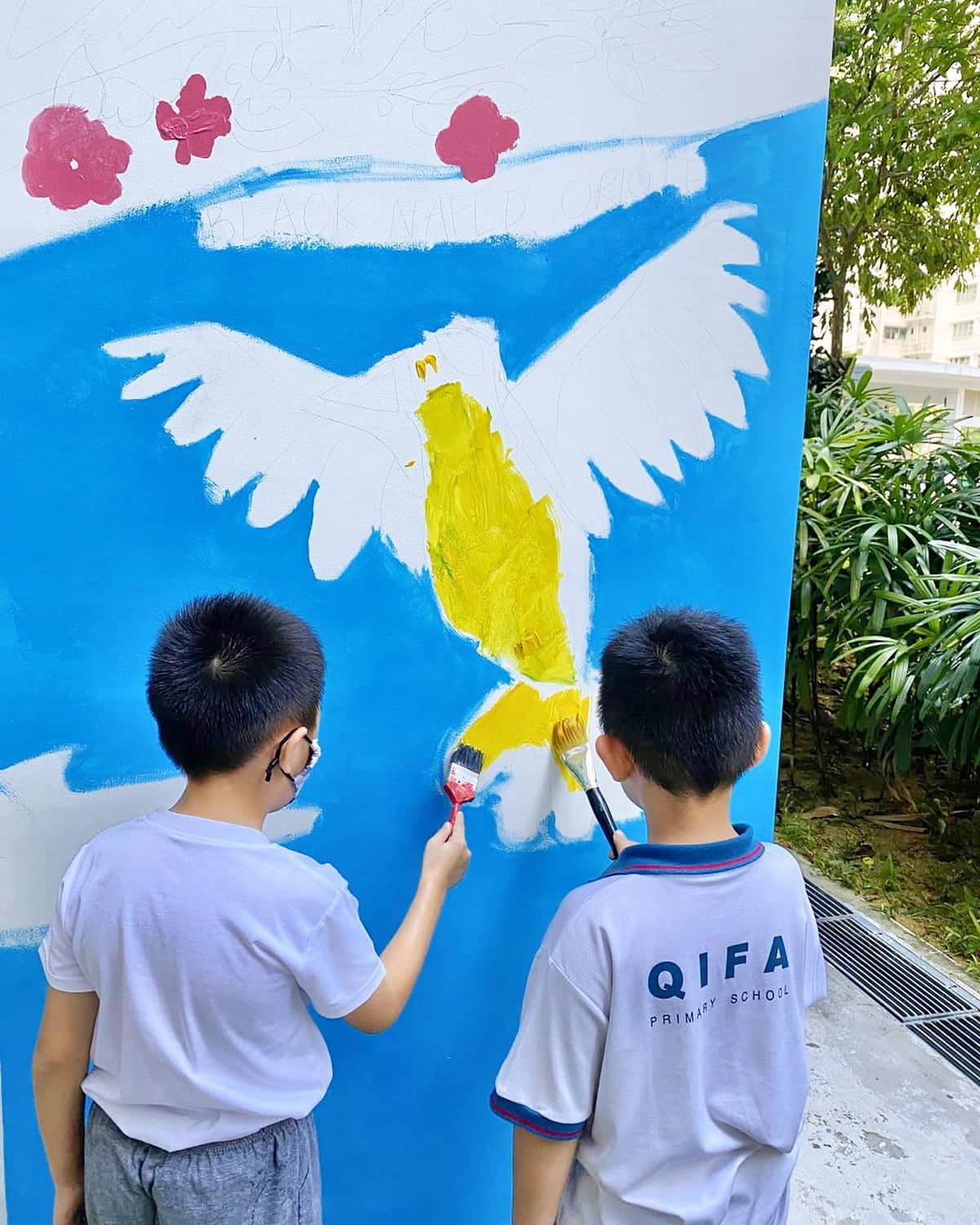
‘Art is often magical’ – this clearly illustrates how Singapore-based artist and writer Dorcas, works her magic to create powerful art to share her own message of sustainability. Through her unique creation, Dorcas expresses the deep connection she has towards people, wildlife, plant life, and the planet we all live on. Dorcas uses art on her own website and Instagram as a medium to advocate various environmental and social issues that happen both locally and worldwide.
Nature Art Classes For the Young
“I don’t know if this will change anything, but I know it’s the right thing to do” – This sentence is often mentioned by Dorcas. She hopes to put her vision of the world into creative practice, and continue to guide and teach everyone to create an impact the world needs.
Dorcas teaches two forms of art classes. In Intertidal relics classes, her students will get to experience how to create basic shapes, understanding colour theory and textures and illustrating any character of their own choice. Whereas in the ‘Earth Painting’ classes, she teaches students to create art pieces with soil so that the students will get to experience using natural materials and be more connected to the motherland.
Don’t miss these unique classes by looking out for their next session here. If you also find Dorcas’s unique are helpful, do support her on her website or follow her on Instagram.
Source: @earthtodorcas
Generation restoration is a new era where youths come together to create green initiatives for the environment. Just like how Jo, Qin Yun and Dorcas have created a movement of their own, it is heartwarming to see them continuously using various new ways to advocate for the causes they believe in.
To build a greener environment for everyone, climate restoration is a collective effort for everyone. Let’s be inspired by the youths of tomorrow and continue to contribute through our daily green efforts.
Together we can #PowerTheChange and build a greener world for the next generation.

Here's How You Can Take Steps To Tackle Climate Change
19 September 2022
Here’s How You Can Take Steps To Tackle Climate Change
The conversation on climate change has been more prevalent over the years. It’s heartwarming to see more individuals and communities taking positive steps for our planet, and we hope you can come onboard with us on this green lifestyle journey.
To ease you into adopting a more sustainable way of living, we spotlight some of our homegrown eco-advocates who seek to guide you towards a greener tomorrow. Each of them has taken great strides in spreading awareness for a more eco-friendly way of life. From early environmental education for children and a climate focused discussion platform for youth to recyclable initiatives for adults – there is something for everyone.
Let’s find out more about some of the programmes and activities from these groups that can help empower you and your family to take a more proactive role towards a greener nation!
1. Join green activities organised by eco-advocates
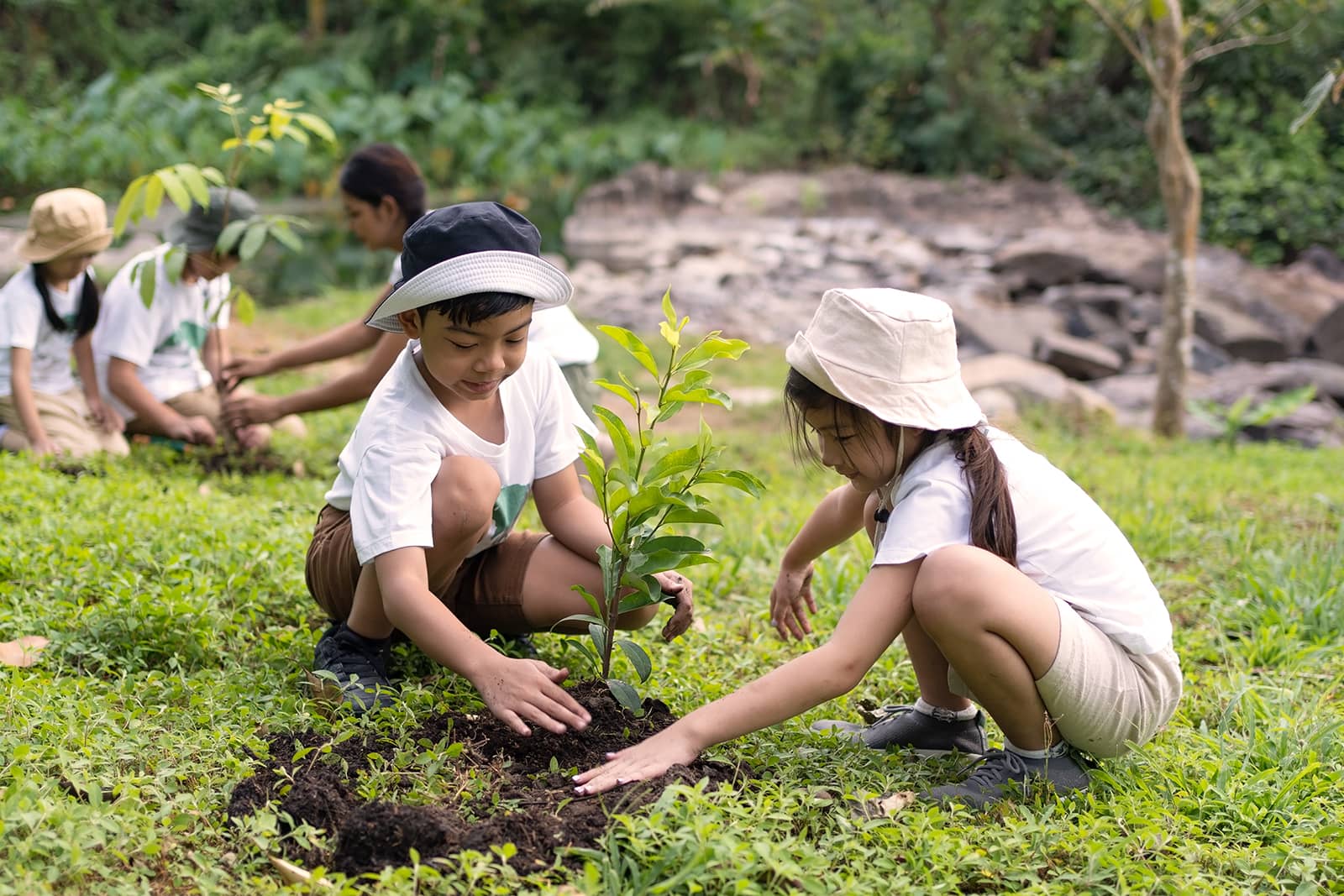
Spark your appreciation for our natural biodiversity with Cicada Tree Eco-Place, a non-profit, non-governmental organisation, which was co-founded in 2006 by a group of five Singaporeans. Supported by volunteer educators, conservationists, environmentalists, eco-artists and wildlife activists, the group was formed in an urgent response to the climate change crisis and its impact on wildlife and humans.
Cicada Tree pushes for climate action through their three-pillar mission: Providing affordable and quality environmental education for all; conserving and protecting Singapore’s natural heritage by raising awareness of both local and regional flora and fauna; and encouraging individuals and organisations to adopt an eco-lifestyle.
You can also take an active role and join in Cicada Tree’s wide variety of outreach activities, including nature walks, workshops, camps, and experiential learning in the outdoors.
If you want to get more involved in their cause, check out Cicada Tree’s calendar for upcoming charities, fundraisers, and seminars that you can participate in!
2. Lend an active voice to climate change policies
The Singapore Youth for Climate Change (SYCA) has been leading the conversation to meaningfully engage our youths in the ongoing discussion about environment and climate policies. Co-founded by a group of youths, SYCA’s goal is to provide a platform for Singaporean youths to engage in topics related to sustainable development and various climate awareness initiatives.
At present, SYCA represents Singapore in the United Nations Climate Change Conference, Conference of Parties (COP) to work with other nations on how to keep the earth healthy. In the local sphere, the group also works with schools to teach our future generations how to live sustainably to protect and preserve a greener tomorrow.
You can be part of the active conversation by joining SYCA. They are running a five-part workshop called “Keeping Up With Climate Policy” which opens the floor for you to pinpoint specific areas for our nation to further advance our climate policies — and you can join in for their second instalment! SYCA also welcomes volunteers to help plan or lead some of the environmental projects.
If you have the passion to drive some of these environmental initiatives, get in touch with them on Telegram or follow them on Instagram @syclimateaction to receive regular updates.
3. Impart eco-friendly knowledge to the next generation
The first step to establishing a more conscious eco-friendly lifestyle is always easier when you start from young.
Earth School focuses exclusively on environmental education for the young and pre-teens. Run by a team of passionate youth environmentalists who believe in the power of environmental education to create change for our future, the school brings together our local environmental community from eco-organisations to fellow environmentalists to share their knowledge and expertise to motivate and ease the younger generation into environmentally-conscious individuals.
If you’re looking for a versatile classroom environment that can break down complex environmental issues into digestible, hands-on lessons for your children, Earth School has you and your kids covered. Enrol your young ones to be part of the solution and help equip future generations with the knowledge needed to reduce climate change.
You can also check in on their event calendar to find environmental exhibitions and films like Waves of Change at the Singapore ArtScience Museum, or give back to the community in voluntary initiatives like their beach cleanups.

4. Reduce your carbon footprint with less plastic
Take a moment to think of how much plastic we use each day; every form of disposable packaging we have ever used when we opened or bought something new. Making the active decision to turn away from environmentally damaging plastic is the behaviour that Plastic-Lite wants to help you encourage such as bringing your own tingkat containers for your lunches, or shopping for groceries with your own tote bag.
Plastic-Lite is a grassroots volunteer community that was formed in 2016 to inspire Singaporeans to cut down on plastics; essentially a Plastic-Lite lifestyle.
They educate the community on many fronts including visiting eateries and supermarkets to encourage the public to go light on straw usage and reducing plastic bag use. Plastic-Lite also hosts workshops in schools and at corporate seminars to spread the word about sustainability and adopting a plastic-lite lifestyle!
One of Plastic-Lite’s most successful initiatives is Bounce Bags, a bag-sharing programme where anyone can donate reusable bags at the kiosk located within Our Tampines Hub, B1 outside NTUC Fairprice or Heartbeat@Bedok.
Alternatively, you can also visit their website, “Let’s Talk Climate” to learn more about environmental issues happening worldwide.
Singapore’s efforts against climate change
As we all might know, Singapore has been continuously taking steps to contribute to climate action. The OneMillionTrees Movement by NParks is a key initiative to achieve our Singapore Green Plan 2030 and Geneco has been supporting the movement by being part of the Garden City Fund’s Plant-A-Tree programme with the commitment of planting 250 trees over 5 years since 2021.
This World Ozone Day, also known as the International Day for the Preservation of the Ozone Layer on 16 September, we planted an additional 150 trees in Pasir Ris Park to celebrate the announcement on Geneco being Singapore’s Number 1 Residential Electricity Retailer.
Now, let’s put your knowledge to the test in our Geneco Facebook or Instagram contest now and you could be one of the 10 lucky winners to walk away with a $50 FairPrice e-voucher and an exclusive Geneco Green Starter Kit!
Simply comment with your answer to this question on either of the social media platforms: Name one of the local organisations mentioned in our blog that can empower you in the journey against climate change.
You too, can be part of the climate change solution by taking part in the initiatives we have mentioned in the blog.
Let’s continue to #PowerTheChange and take steps to tackle climate change for a greener future.
3 Lesser-known Facts about Singapore’s “Garden City” Vision
09 August 2022
3 Lesser-known Facts about Singapore’s “Garden City” Vision
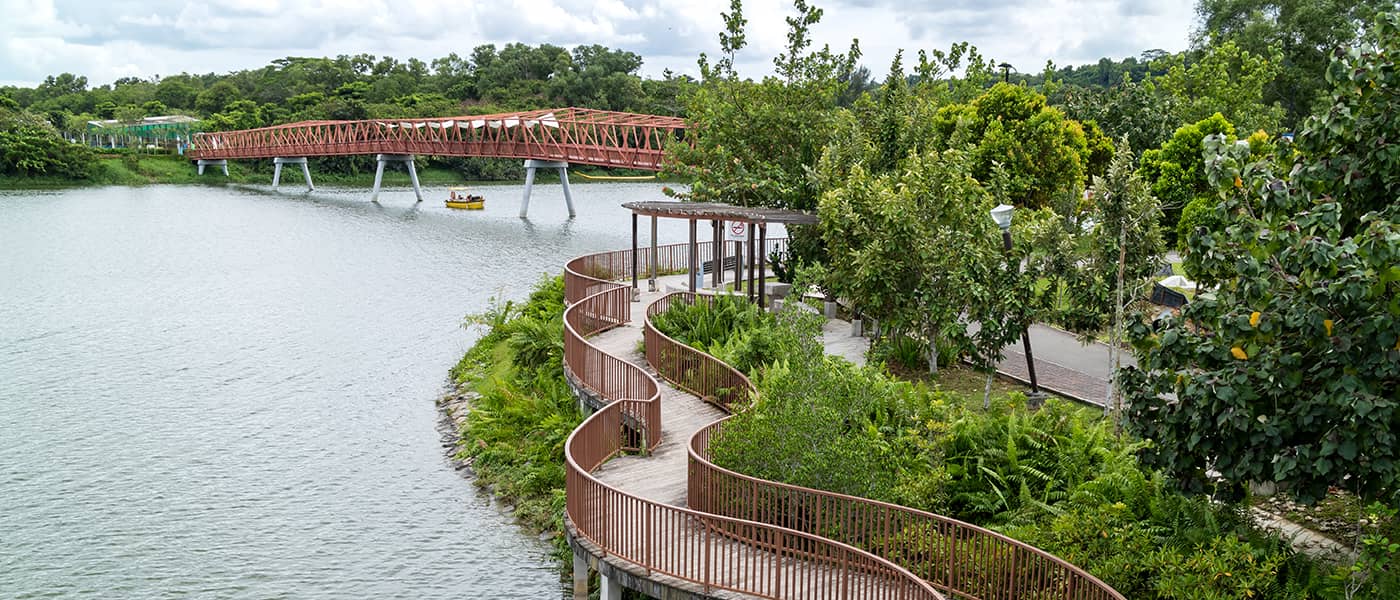
As one of the greenest cities in the world, Singapore is often known as the “Garden City” – a unique urban city with plenty of greenery from shores to streets.
Much of this commitment to developing green spaces stemmed from the famous Garden City Movement – the brainchild of Singapore’s late founding father Mr. Lee Kuan Yew during the early days of independence.
How did Singapore grew to become the lush urban city it is today? Here are 3 lesser-known facts behind Singapore’s Garden City movement that you may not have known:
Fact #1 – The roots of the Garden City Vision can be traced back to pre-independence
While many may have thought that Singapore’s Garden City initiative started during the post-independence nation-building days, did you know that in fact, it started two years before independence in 1963? Mr. Lee Kuan Yew, the then-Prime Minister of Singapore, launched the first Tree-Planting campaign in Clementi and even planted the first tree himself – a Pink Mempat, known for its beautiful cherry blossom-like flowers. Anchored by the belief that an “urban jungle of concrete destroys the human spirit”, he set out with the mission to fill the country with an abundance of greenery to lift the spirits of Singaporeans.
Post-independence, Mr. Lee then unveiled the Garden City Vision in 1967 to continue Singapore’s transformation into an island of lush greenery. The initial phase was characterised by an active tree-planting programme, with the number of trees increasing from 158,600 in 1974 to 1.4 million in 2014.
On top of these efforts, Mr. Lee also introduced an annual Tree Planting Day on the first Sunday of every November to continuously beautify Singapore and maintain the green spaces of our cityscape. This practice has continued to endure to this very day and has even been expanded by our National Parks Board (NParks) as one of the key initiatives in the Singapore Green Plan 2030, the OneMillionTrees Movement, which aims to plant one million trees across the island by 2030.
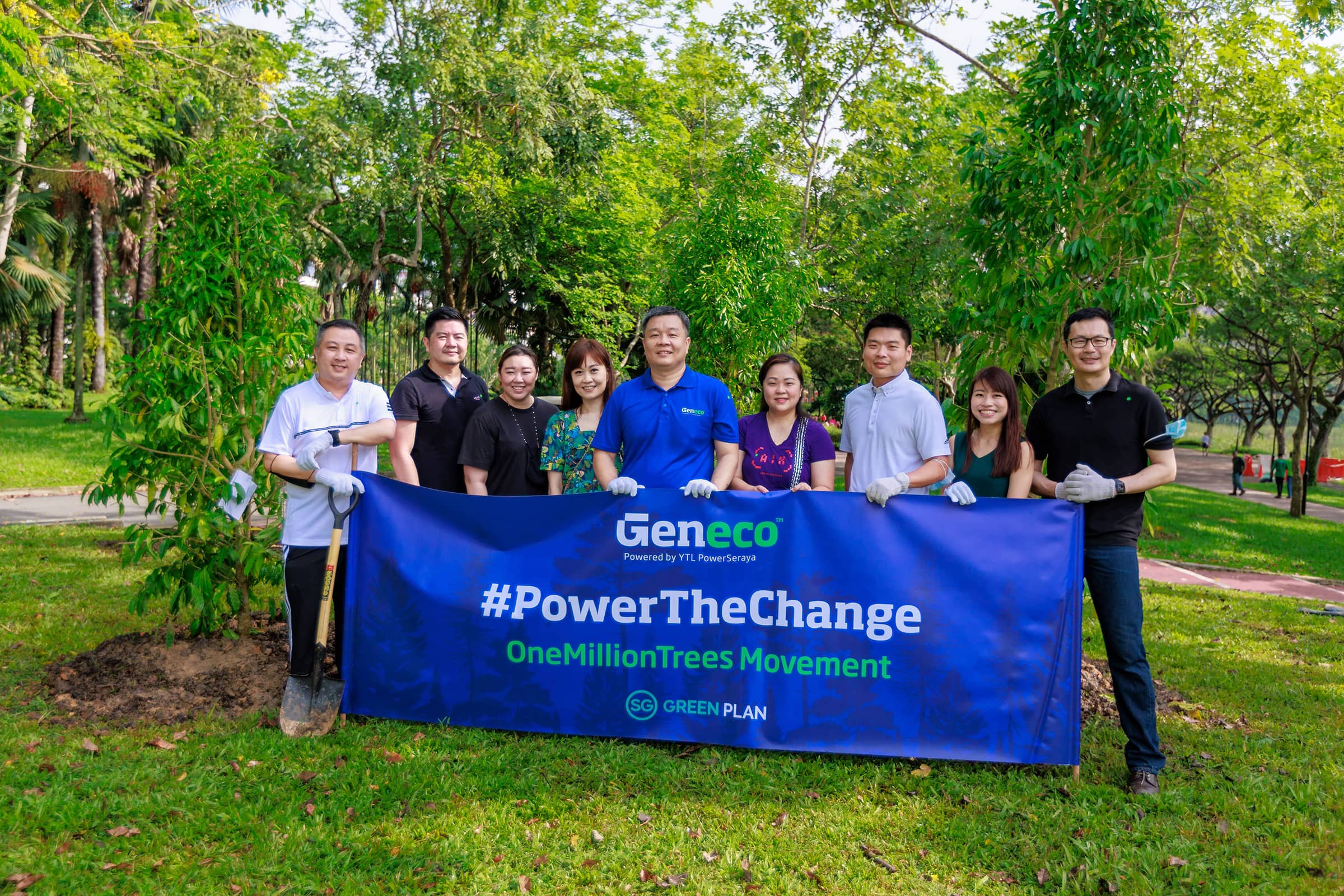
Geneco is proud to be part of NParks’ OneMillionTrees Movement, with our commitment to plant 250 trees over five years. This year, we are also pledging to plant an additional 150 trees on World Ozone Day (16 September) as part of our Geneco x Garden City Fund fundraising initiative on Giving.sg. Join us as we raise funds for this movement, and we will be matching your contribution dollar-for-dollar with 100% of the money raised to go towards this initiative!
Fact #2 – Growing the green spaces around us meant building more than 300 parks!
In the 1970s, Singapore sought to expand our green spaces beyond planting trees around our infrastructure. An additional focus was added to the Garden City Movement and includes cleaning up our streets and developing parks to allow Singaporeans to get in touch with nature or simply spend time in nature with their family.

Besides serving as recreational spaces, these parks were also the “green lungs” nestled amongst our city environment, providing clean, fresh air for everyone. From 1975 to 2014, the number of parks in Singapore increased from 13 to 330, greatly expanding the green spaces around our homes and workplaces. As Singapore grew the green spaces around existing infrastructure, green corridors and park connectors were also developed, linking the various parks to form continuous green spaces.
In addition, nature reserves were set up to serve as safe havens for flora and fauna while allowing Singaporeans to enjoy our rich natural heritage. In recent years, the return of otters to our waters and exotic migratory birds are a testament to how far we have come as a city living in harmony with nature.
With the announcement of the Singapore Green Plan 2030, one of the key focus is to continue to nurture a City in Nature. This includes doubling the annual tree planting rate and adding 1000 hectares of green spaces by 2035, which will contribute significantly to creating a green, liveable and sustainable home for Singaporeans.
Fact #3 – We started growing our green spaces up since 2008
Because of land scarcity and an increasing population, there were challenges to continue growing the green spaces through parks and trees on the ground. Singapore decided that the solution was to look up! With a notable shift towards biophilia, our city began to incorporate sky-rise greenery into the design of our buildings.
In 2008, Green Buildings were made mandatory where all new developments must include flora, in the form of green roofs, cascading gardens, and verdant walls. The Pinnacle@Duxton, the tallest public housing development in the world, connects all seven 50-storey buildings with gardens on the 26th and 50th floors, allowing residents to draw close to nature even when high above the ground.
Our iconic supertrees at Gardens by the Bay also demonstrate the synergy between technology and nature. 18 supertrees varying from 25 to 50 meters in height act as cooling ducts for nearby conservatories, and collect rainwater. 11 of them also have solar photovoltaic systems to convert sunlight into energy.
Another example of this synergy is the CapitaSpring – one of the tallest buildings in the Central Business District (CBD) in Singapore. Standing at 51-storey high and 280 metres tall, this visually striking biophilic skyscraper is home to more than 80,000 plants from over 130 species, of which, more than 63 per cent are native plants. Best of all, the public can access these green features, including the Green Oasis, a mid-air botanical promenade, which spirals from Levels 17 to 20 and is home to over 38,000 plants from 70 species.
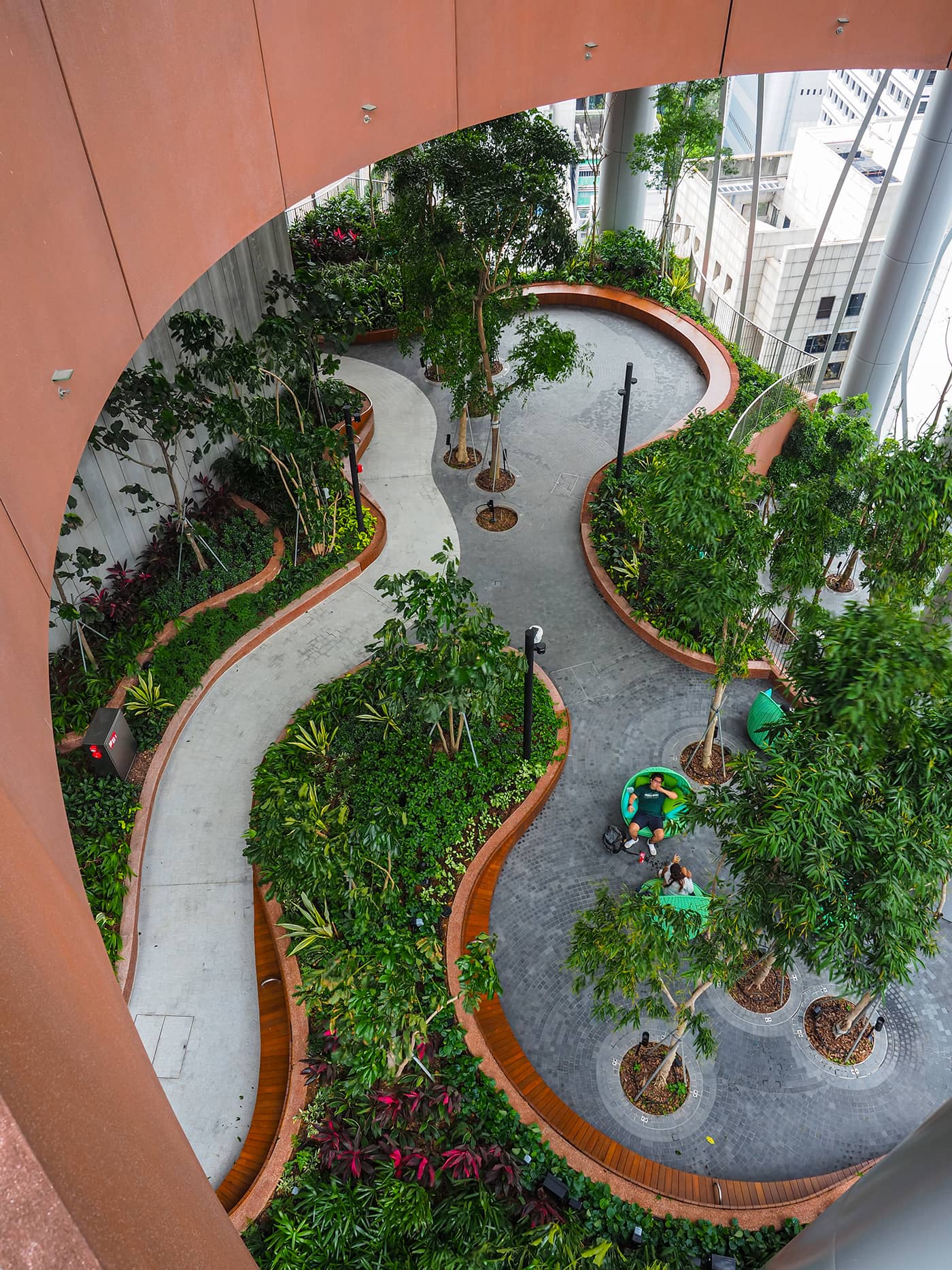
And there you have it, 3 lesser-known facts about Singapore’s “Garden City” Vision. Singapore has indeed flourished as a Green City because of these eco-conscious key initiatives that are rolled out with clear stewardship. To ensure a greener Singapore for our future generations, our job is far from done. Let’s continue to inculcate a go green mindset, one that involves making small changes in our daily lives and cultivating an appreciation for the beautiful greenery surrounding us. It is only by adopting a conscious awareness of a sustainable lifestyle that will ensure our City in Nature will thrive for many generations to come.
Now that you are empowered with the 3 facts of Singapore’s “Garden City” Vision, head over to our Geneco Facebook page or Instagram account where we are currently hosting a contest giveaway! Simply answer this question “What year was the Garden City Vision unveiled by Mr. Lee Kuan Yew?” and you could be one of the 10 lucky winners to walk away with a $50 FairPrice e-voucher and an exclusive Geneco Green Starter Kit!
Let’s continue to #PowerTheChange and build a sustainable Singapore together.
Because green is more than a colour.
It is our future.

Make a difference this Plastic Free July with these local brands
[Post date]
Make a difference this Plastic Free July with these local brands
Did you know? For a small city like Singapore, we use a whooping amount of plastic – 1.76 billion annually to be exact. This is unsurprising given the prevalence of single-use plastics in our everyday lives, which include items such as plastic bags, PET bottles and takeaway plastic containers.
The consequences of such plastic waste are far-reaching. According to the Organisation for Economic Cooperation and Development (OECD), it is estimated that a garbage truck’s worth of plastic is dumped into the oceans every minute, killing marine life and even ending up in our meals as microplastics.
Plastic Free July is a timely reminder that each of us can be part of the solution by making a conscious choice. As Singapore continues to take steps towards a greener future, many brands across our island are offering incentives for customers who bring their own reusable bags or containers when dapaoing food or having coffee on-the-go. At these local brands, you may even get some discounts! Read on to find out more:
1. Nylon Coffee Roasters
Since its establishment in 2012, Nylon Coffee Roasters has been anchored on the belief of building sustainable, traceable and transparent relationships across its coffee chain. Located in a quaint spot at the heart of Singapore, the brand serves delightful cups of coffee from beans sourced from the origin and lovingly roasted daily in-house.
In addition to its sustainable sourcing practices, Nylon also prides itself in its day-to-day eco-friendly movement, particularly by reducing single-use coffee cups. By bringing along your own reusable tumblers when purchasing your takeaway coffee, you can get to enjoy 30 cents off your cup of joe! Fret not if you do not own a cute coffee mug yet – Nylon is well-stocked with mugs of various designs, including this colourful mug that we really love! With its double wall vacuum insulation, your coffee will be kept at the right temperature as you sip it throughout your morning meetings.
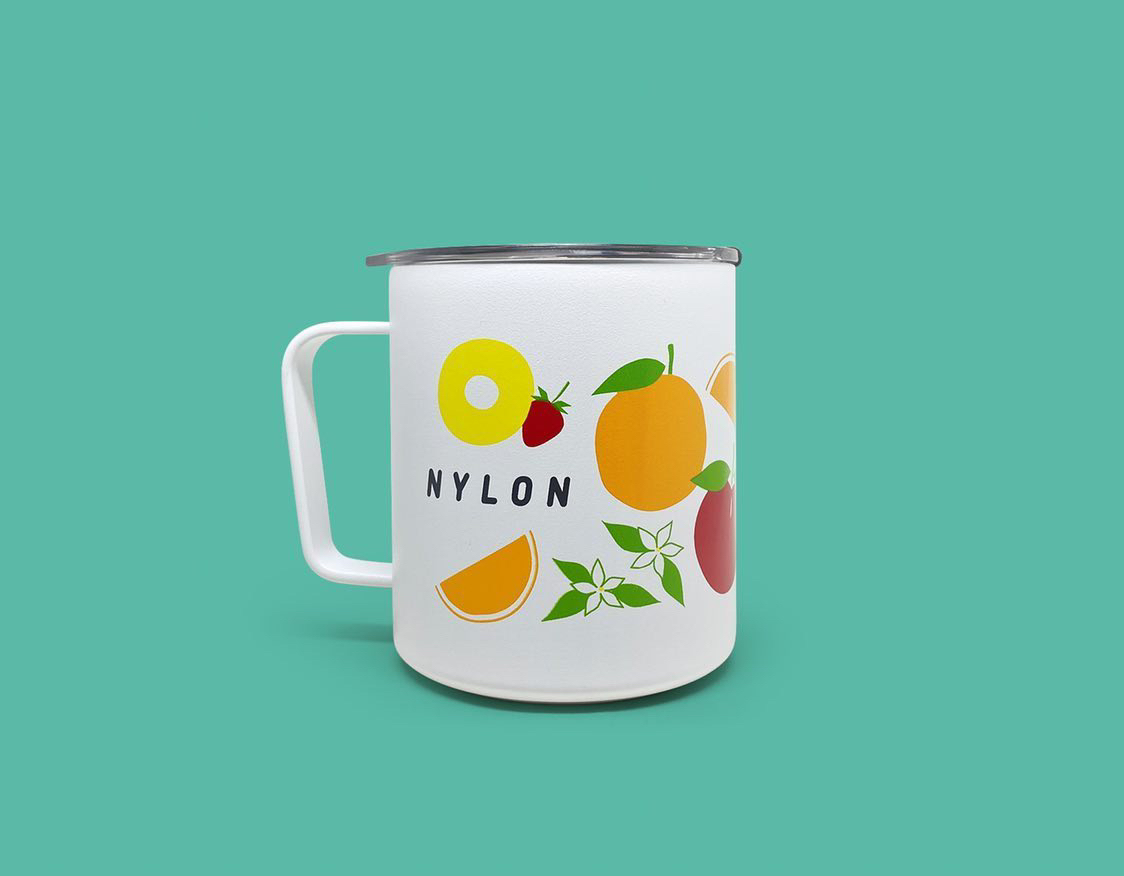
Image Credits: Nylon Coffee Roasters
What’s more, as part of its eco ethos, Nylon also offers used coffee grounds should you be looking for some enriching nutrients for composting endeavours. Preloved coffee jute bags are available in-store too upon request if you’re looking for them for any of your upcycling projects. Psst, these sturdy bags are perfect for any beach clean-up activities you have in mind as well – a great alternative to plastic garbage bags!
2. Bettr Coffee Bar
For the coffee connoisseurs amongst us, you definitely have to check out Bettr Coffee Company, a homegrown coffee company that offers professional coffee education and speciality coffee products. With two retail bars located at the Ministry of Social & Family Development and Khoo Teck Puat Hospital, the brand serves sustainably sourced coffee to the community with each coffee bar largely staffed by certified students and graduates to allow them to gain skills and experience. With every purchase from these coffee bars, it also goes towards supporting Bettr Coffee’s social programme for marginalised women and youth at risk.

And it doesn’t stop there! Committed to igniting change to the environment, Bettr Coffee also has several initiatives in place to reduce the brand’s carbon footprint. These include going straw-free and giving 30 cents off drinks for customers who bring their own reusable cups in the effort to reduce plastic waste! With every KeepCup purchased from Bettr, you can also look forward to being rewarded with a free drink.
Going a step further, Bettr also repurposes its used coffee grounds by upcycling them to give these food waste a new lease of life! These coffee grounds have been successfully upcycled into coffee-based tables in partnership with A1 Environment, and also turned into compost at Khoo Teck Puat Hospitals’ rooftop farm – now that’s the mark of a true circular economy!
3. Back to Basic Living
Experience the slow life and bring your picnic mats along when you dine at Back2Basic Micro Vegan Restaurant. Located along a wide grass patch at Buona Vista, Back2Basic offers the option for customers to immerse themselves in nature while enjoying delicious food and basking under the warmth of the sun. The restaurant features a comprehensive menu, which includes organic coffee, organic vegan desserts and even food for your fur kids – there’s something for everyone!
If you’re considering having your meal to go (though we’d really encourage you to dine in and enjoy the outdoor view!), do remember to bring along your reusable container. Not only will you be saving the environment, you will also be rewarded with a 10% discount – talk about a win-win! What’s more, as part of the brand’s commitment in advocating for zero waste, enjoy a cup of piping hot coffee on the house when you drop off your glass or plastic items for upcycling. Doing our part for Mother Nature by reducing waste sent to the landfills has never been so rewarding!
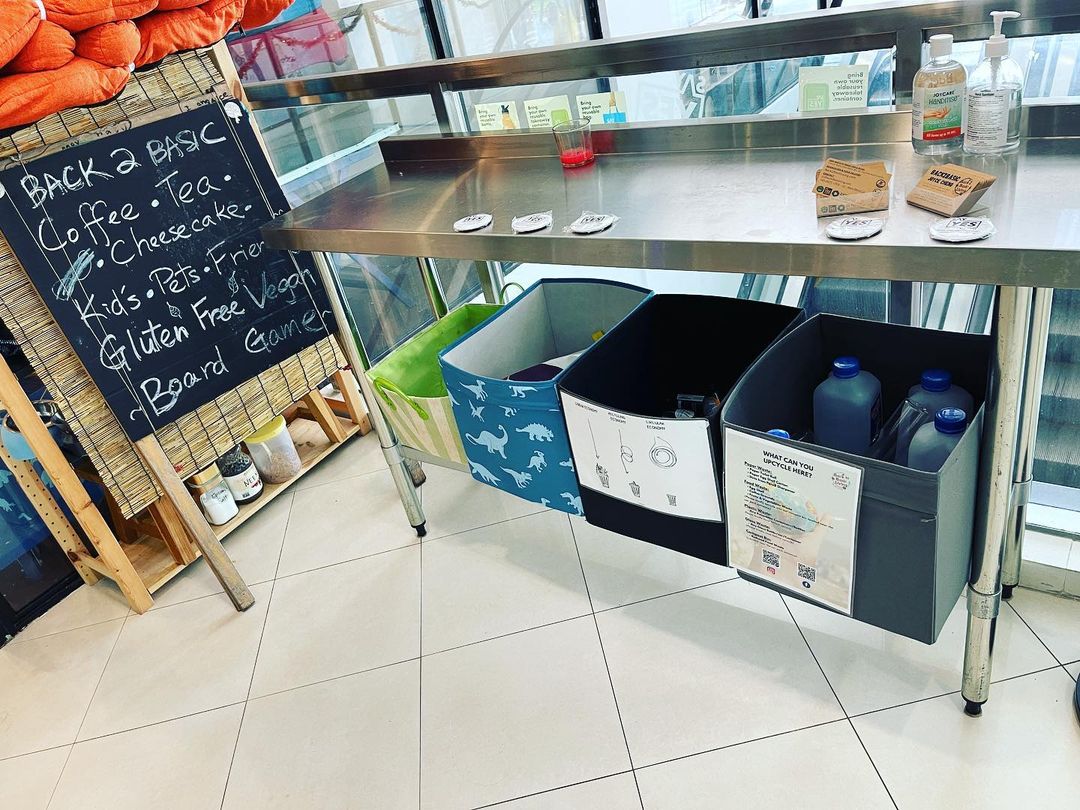
Image Credits: Back 2 Basic by JC Cheng
4. NomvNom
Established in 2015, NomvNom puts a refreshing vegan spin on modern fast-food options like burgers, pizzas and pastas, in its mission to contribute to the sustainability movement by promoting a plant-based diet. With the promise to ensure the utmost quality of its food, the brand is committed to using premium ingredients to tantalise the tastebuds of both vegans and non-vegans alike, serving up handmade wholesome burger buns and patties, delectable straight-cut truffle fries, and hearty soups thick with goodness.
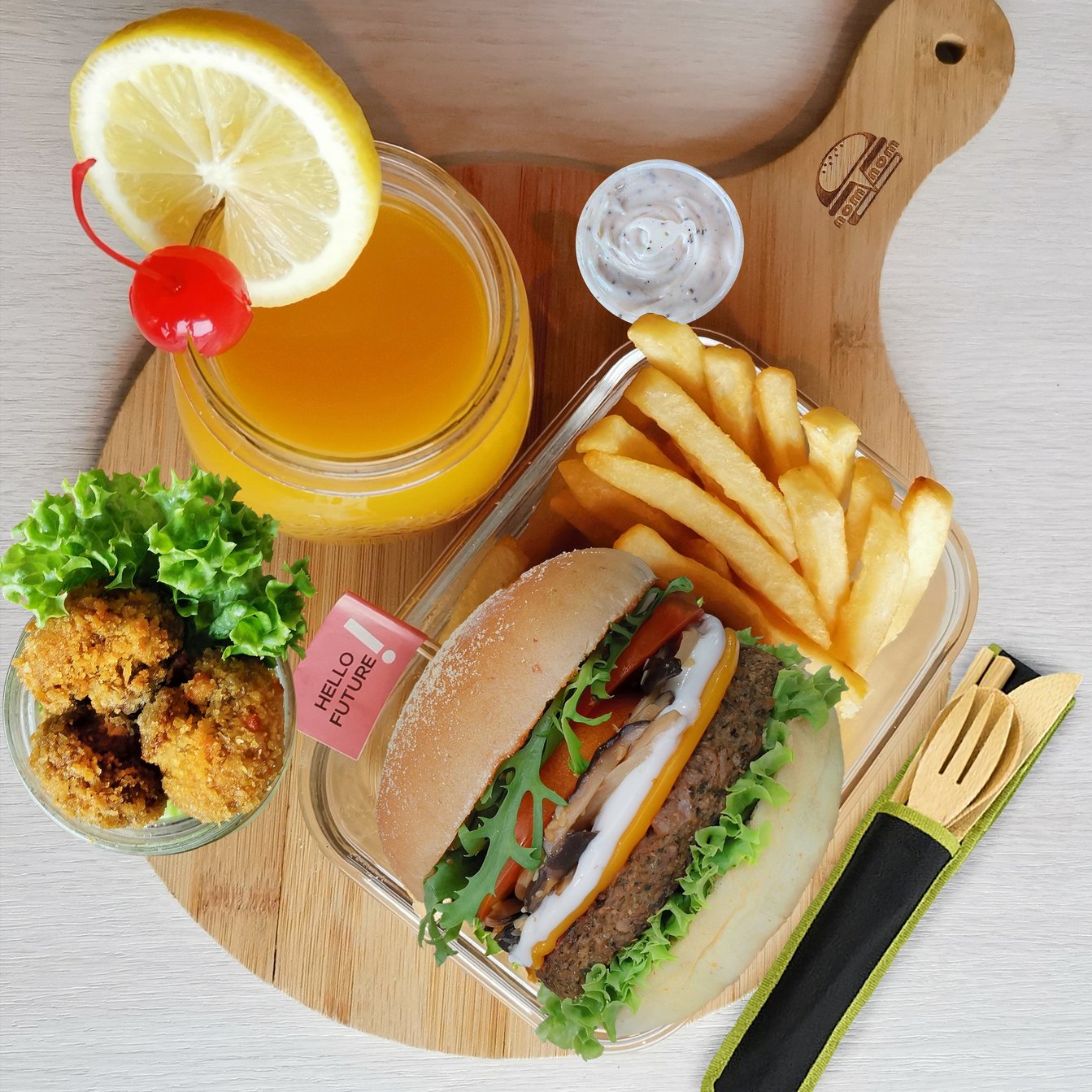
Image Credits: NomvNom
With its meals easily consumed on-the-go, NomvNom highly encourages customers to BYO containers to reduce the need for any single-use plastics and earn a 10% discount! As part of its dedication to make a difference for the environment, the brand also invests in disposable cups and containers made with recycled materials to minimise the strain on the earth’s finite resources and operates on a no-straw policy.
So, are you ready to take on the challenge of going plastic-free (or even just using less plastic) this Plastic Free July? Remember, embarking on a more sustainable lifestyle does not mean enacting a 180-degrees change overnight! By adopting the mindset of gradual but continuous effort, it will all add up to a considerable difference overtime.
Psst, to help you get a head start on your green journey, do pop over to our Geneco Facebook page or Instagram account where we’re currently hosting a Plastic Free July giveaway! Simply name one of the four brands mentioned in this blog that offers a discount when you BYO and you could be one of the 10 lucky winners to walk away with a $50 FairPrice e-voucher and an exclusive Geneco Green Starter Kit!
What’s more, in celebration of our nation’s 57th birthday, we would like to invite you to join our #GreenDiscoverSG initiative.
As we do our part to reduce plastic waste for a greener future, take the chance to look around us. Who knows, you may discover an amazing green space that is unimaginably found in Singapore and if you do, capture a photo of it and share with us. You might stand to win up to $1,500 cash and FREE 1-year electricity with Power Eco Add-on worth $1,250.
Let’s continue to #PowerTheChange and build a sustainable Singapore together.
Because green is more than a colour.
It is our future.

Be The Wave of Change this World Ocean Day
[Post date]
Be The Wave of Change this World Ocean Day
Oceans play a vital role in supporting life on Earth. In addition to serving as an important source of food for billions of people around the world, they are instrumental in contributing to the air we breathe! Covering 70% of the Earth’s surface, the ocean produces over half of the world’s oxygen and absorbs 50 times more carbon dioxide than our atmosphere, which is critical in our fight against climate change. What’s more, oceans also help in regulating temperature on Earth given that 98% of the heat from sun rays are absorbed by these massive water bodies.
In recent times, however, human activities have led to the pollution of these enormous water basins. According to the National Geographic, there are more than five trillion pieces of plastic floating in our oceans. That’s a massive amount of waste choking our seas, making it unsafe for sea creatures to live and thrive in. The Sea Turtle Conservancy estimates that over a million marine animals such as fish, dolphins, sharks, turtles and birds, have died each year due to plastic debris in the ocean.
As we celebrate World Ocean Day today (8 June), let us all be more mindful in how we can contribute to keep our oceans clear, blue and sparkling. In this blogpost, we share some day-to-day green habits that you can cultivate to play your part!
1. Educating ourselves on ocean life
Knowledge is power! The very first tip we have is to educate ourselves on the wonders of the ocean and the rich biodiversity it is home to. By doing so, it offers us an intimate perspective of this wonderous ecosystem while understanding the role we play in saving it.

From books to documentaries, dive into some of the resources available right at our fingertips! Some of our favourites include Mission Blue that takes a fascinating look into the life and work of famed oceanographer and marine biologist Dr Sylvia Earl, and Our Planet – Coastal Seas, narrated by none other than Sir David Attenborough.
Or, if you’d prefer a more local touch, check out this documentary by Channel NewsAsia that explores the rich population of marine life in our Singapore waters. Keep your eye out for the many rare and endangered species of seahorses, sharks and sea turtles and be enchanted by the vibrant coral life found in our local waters. With over 250 species of hard corals found in Singapore’s seas out of over 500 species within the region, this is a film that you don’t want to miss!
2. Organise a beach clean-up day
How often have you found yourself being confronted by a trail of trash lining the otherwise pristine beach? According to a study, it was found that 48% of marine debris originated from onshore sources such as litter – an awful lot of pollution stemming from our coastal activities. Besides being unsightly, these rubbish could end up in our oceans and cause devastating impacts to our marine ecosystem.
In addition, it is estimated by the International Union for Conservation of Nature (IUCN), that 80% of the trash found in the ocean is made up of plastic. This is especially harmful as plastic will break up into smaller pieces to become microplastics that may be ingested by small sea creatures, enter the food chain, and eventually reach our plates as seafood.
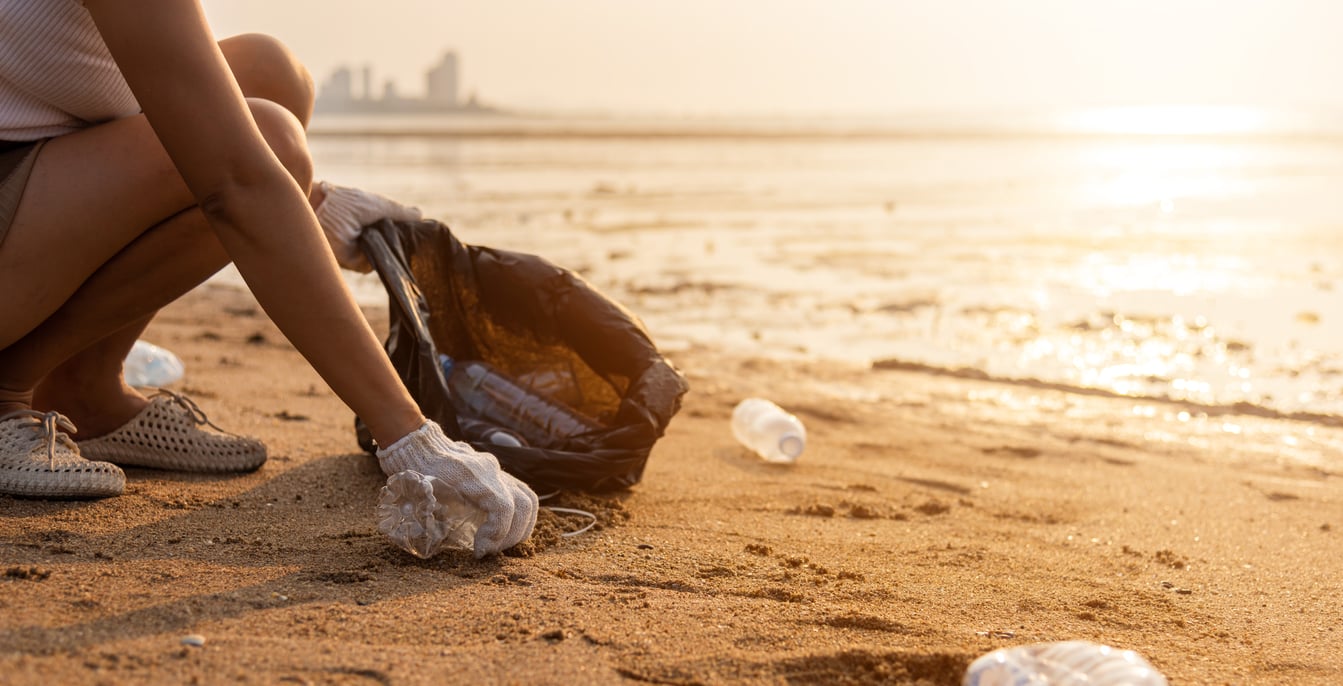
Ultimately, it’s up to us to break this cycle. Besides reducing the use of plastics, you can also do your part for the deep blue by organising your very own beach clean-up day. With each small piece of trash picked up and properly disposed, you’re preventing it from getting swept or blown into the ocean.
Organising a beach clean-up is easy – simply bring along a recyclable trash bag, some biodegradable protective gloves and a pair of tongs. Make this a weekly affair with the family by heading down to the beach to enjoy the lovely breeze and beautiful sunset while doing your part for the environment as well! In addition to being a fun bonding activity for the entire family, beach clean-ups also serve as great learning opportunities for both the young and old. As you observe the number of plastic bags, cigarette butts and even the occasional toothbrush being picked up, it forces us to think about the impact our actions have on our everyday habitats.
3. Eliminating the use of harmful products
Did you know? You could be polluting our oceans even from your home! For many personal care and beauty products, they contain marine-toxic ingredients that often find their way into our oceans when they are washed down our sinks or drains. One particularly dangerous ingredient is microplastics that is commonly found in exfoliating skincare products.
Another innocuous item that is bad for our ocean are laundry detergents, that typically contain many man-made chemicals. When washed into the ocean, the chemicals in these products reacts with the ocean water and could potentially ruin the marine ecosystem. For other detergents containing surface-active ingredients that are often touted for “lifting stains” off clothing, these are also extremely dangerous to aquatic life as they break down the mucus layer that protects fishes from parasites and bacteria.

4. Shop wisely with sustainable seafood
While you’d have probably heard the phrase “there are plenty more fishes in the sea” before, the fact of the matter is that, there isn’t. Not in the context of actual fishes, that is. According to the World Bank, almost 90% of our global marine fish stocks are exploited or overfished.
With the world’s appetite for seafood showing no signs of slowing down, it is fuelling the growth of unsustainable fishing methods such as bottom trawling and longlining. Often, these methods of fishing are very destructive for the marine ecosystem as they destroy reefs and result in numerous by-catches such as turtles and dolphins. In Southeast Asia, it is estimated that for every kilogram of fishes we get from trawling, 1.43kg of accidentally caught fish and other sea creatures are thrown back into the ocean.
But, while we understand that it might be hard to give up seafood completely, there are little steps that you can take to incorporate more sustainable choices in your life. For instance, keep an eye out for internationally recognised eco-labels such as from Marine Stewardship Council (MSC), Aquaculture Stewardship Council (ASC) and Best Aquaculture Practices (BAP) that indicate seafood that are derived from sustainable fishing methods. Alternatively, given that many of us purchase our seafood from local stalls at wet markets – which often do not have such certifications due to cost of implementation – you can check out this comprehensive list prepared by WWF that details how sustainable most of our well-loved seafood are!
If you prefer dining out instead, there are plenty of choices as well! Check out Scaled by Ah Hua Kelong, that offers a ‘farm-to-table’ concept where their fresh seafood is harvested daily from their local farm, as well as the restaurants under Grand Hyatt Singapore that are all certified with an international eco-friendly label.
While the above tips may sound small, if each of us were to make these small ripples of change in our lifestyles, together we can create big waves and make a collective difference in conserving our ocean. So, do practice and share these little nuggets of wisdom with your family and friends!
Together, let’s #PowerTheChange to protect our deep blue for future generations to enjoy and delight in!